Key takeaways
- Low-speed rear-end and intersection hits are the West County signature crash, and they load the neck and low back.
- Symptoms usually arrive on day two and day three, after the adrenaline clears. That is expected, not a sign something was missed.
- Call on day one so the exam findings meet the symptoms instead of chasing them.
- The ER list is a bright line: chest pain, sudden severe headache, one-sided weakness, confusion after a head hit. Go.
Manchester Road is a signal-to-signal grind from the 270 interchange out past Ellisville, and Highway 141 is a fast crossing with short merges and long left-turn queues. Clayton meets Clarkson, Big Bend meets 141, Olive meets 270, and every one of those junctions produces the same crash over and over: somebody stops, somebody behind them does not, and two cars trade paint at fifteen to thirty miles an hour. That is the West County signature. It is not dramatic, the air bags usually stay put, and both drivers walk away. It is also precisely the crash that loads a neck and a low back past what they were built for, which is why this desk exists.
This file is the week after, in order. Read it on the night of the crash if you can, and read the day two and day three file if you are already there.
The scene: the adrenaline hour
At the scene you are running on stress hormones, and they are doing their job. Pain is muted, thinking is fast and narrow, and you will feel better than you are. People trade insurance information, take photographs of the bumpers, decline the ambulance, and drive home. Most of the time that is fine. It is also the worst moment of the week to judge whether you are hurt.
Three things are worth doing in that hour that have nothing to do with a clinic. Move to the shoulder or a parking lot if the cars can move; Manchester and 141 are not places to stand between vehicles. Call the police for a report if there is any damage or any complaint of pain. And write down, in your phone, what part of your body hit what part of the car: head to headrest, knee to dash, shoulder into the belt. You will be asked that question at the exam, and by day three you will not remember.
Chest pain, a sudden severe headache, weakness or numbness on one side, trouble speaking, a loss of bowel or bladder control, or a head injury with vomiting or worsening confusion is an emergency room trip right now, not a call to a clinic. That is the bright line and it does not move. The emergency room or clinic file goes through the gray cases.
That night: the quiet stiffening
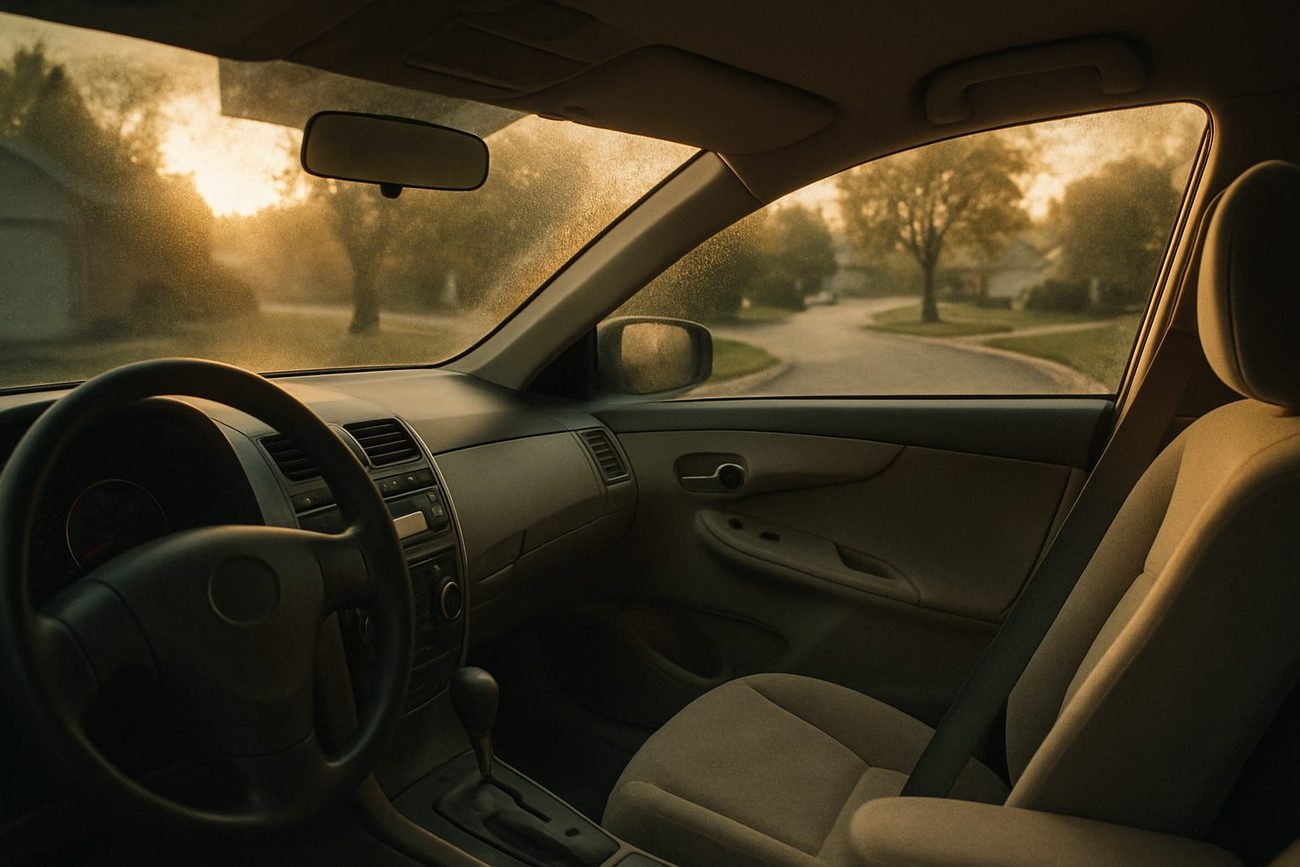
By evening the adrenaline is gone and the body starts its inventory. The usual first notice is a stiff neck that does not want to check the blind spot, a headache that sits at the base of the skull, and a low back that complains when you stand up from the couch. Sleep is often poor, partly from soreness and partly from the replay.
This is the night to make two decisions. First, whether anything on the ER list is present; if it is, go. Second, whether you are going to call a clinic in the morning. The Wire's position is that after a real collision, the answer is yes, even if you feel mostly fine, because the findings at an early exam are a baseline, and a baseline is the one thing you cannot get later.
Day one: the call
Missouri Injury Clinic's offices open at nine and close from noon to two every day, so the call goes out in the morning or after two. The near office for most of West County is Tesson Ferry in South County, reached by 270 south; readers at the Chesterfield end may find the O'Fallon office over the Boone Bridge an equal drive. Say it is a crash exam, say when the crash was, and take the first slot you can drive to. The getting seen file covers what happens in the office.
If you are not the one who was hurt, and you are reading this for a kid, a parent, or an employee, the sending someone file is written for you.
Days two and three: the symptoms arrive
Soft-tissue injury is an inflammatory process, and inflammation takes time to build. Day two and day three are when most crash injuries introduce themselves properly: the neck that will not turn, the headache that will not clear, the low back that makes a desk chair a problem, the shoulder that hates the seat belt line. This is ordinary and expected. It is not a sign that something was missed, and it is not a reason to wait and see whether it passes. A whiplash-type injury, in plain terms, is the neck being snapped through a range of motion it was not ready for, straining muscles and ligaments; the National Institute of Neurological Disorders and Stroke notes that symptoms can take hours or days to appear.[NINDS]
Concussion deserves its own paragraph, because it hides in this window. No windshield contact is required. The brain moves inside the skull when the head snaps forward and back, and the result can be fog, irritability, light and screen sensitivity, and trouble concentrating that a person blames on a bad week. The concussion file has the full list and what the clinic publishes about its rehab lane.
Days four through seven: the exam, the plan
If you called on day one, you are likely examined by now. What the clinic publishes for its auto injury lane is diagnosis and a treatment plan after a crash, and that is what the first visit should produce: a history, a physical exam, findings written down with a date, a diagnosis if the findings support one, and a plan you can repeat out loud. If imaging or a different specialty is needed, a clinician who can say so is worth more than one who cannot.
By the end of the week most people know which of three stories they are in. The exam was clean and you have a dated note that says so. The exam found soft-tissue injury and there is a plan. Or the exam found something that needs a referral, and you have a name. All three are better than the fourth story, which is a sore neck in late September and no idea when it started.
If you feel nothing
A short, clean exam after a real crash is the cheapest closure available. It also opens a dated record in case symptoms surface later, and if a claim is ever part of your story, the dated record from that first exam is what everyone will ask for. You do not need to have decided anything about a claim before you get examined. The Wire calls that a good trade in both directions.
Wire // One action
Read enough. Get examined this week.
Call the Tesson Ferry office, say it is a crash exam, and take the first morning or afternoon slot you can drive to.
The bright line. Chest pain, a sudden severe headache, weakness or numbness on one side, trouble speaking, a loss of bowel or bladder control, or a head injury with vomiting or worsening confusion is an emergency room trip right now, not a call to a clinic.
Advertising disclosureThis page is advertising. This desk is compensated for featuring Missouri Injury Clinic, and it is not the clinic, not a law office, and not a party to anyone's insurance claim. We publish only the lanes, offices, and hours the clinic publishes on moinjuryclinic.com. We do not write reviews, rank providers, or give medical or legal advice. Everything on this desk is educational. It is not medical advice, not a diagnosis, and not a substitute for an exam by a licensed clinician.